
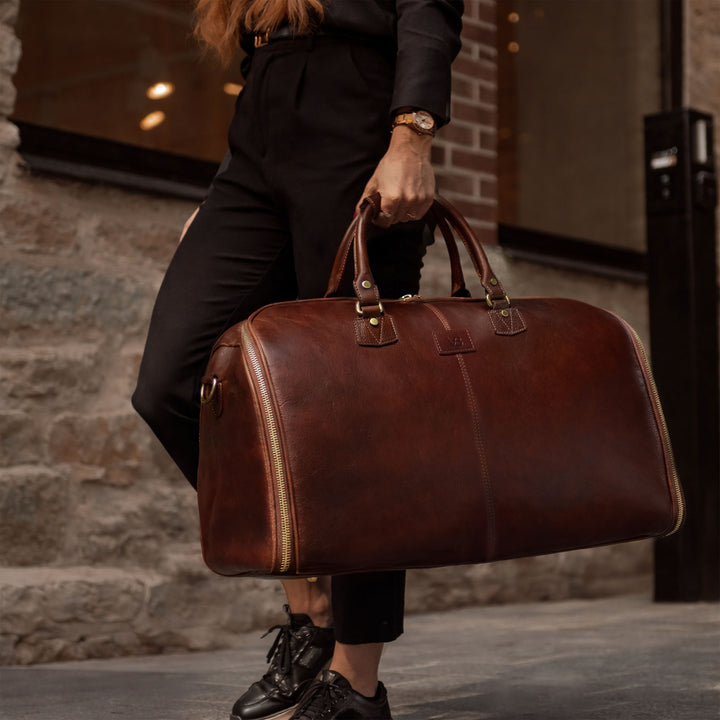
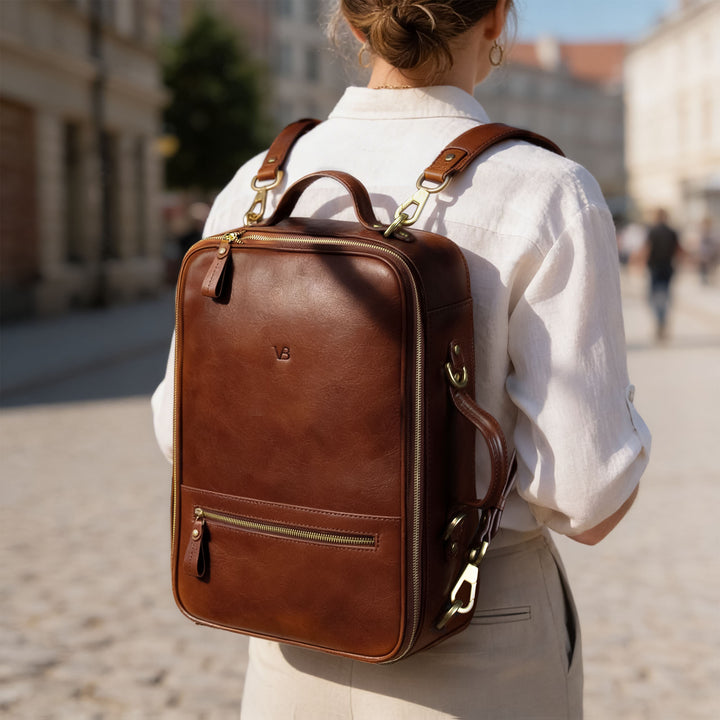
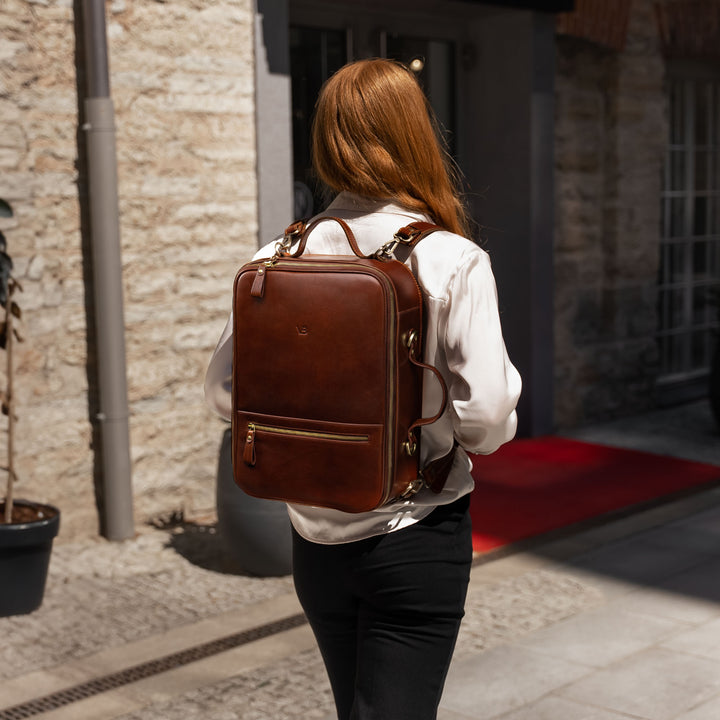
Briefcases to make you look sharp, stay organized, and command the room.
Handmade from the finest full-grain leather.


How To Choose
There’s nothing quite like walking into a courtroom, a negotiation, or a boardroom and realizing - too late - that you look like you just sprinted through JFK with a bag that’s given up on life.
You’ve seen it before: the overstuffed tote hanging on by a thread, the slouching satchel barely holding together, the desperate fumbling for a legal pad that’s now crumpled beyond recognition.
Sound familiar?
If a client sees this, they’ll wonder: Is she this disorganized with my case? If a judge sees it, they’ll mentally slot you into the “frantic associate” category. And opposing counsel? They’ll love it. If you’re fumbling with your bag, what else did you overlook?
A well-structured, intentionally designed briefcase is best, this is your tactical advantage. It ensures seamless transitions from client meetings to courtrooms, reinforces your credibility, and subtly communicates that details matter.
The right choice? Think of it like your closing argument: polished, precise, and impossible to ignore.
Law isn’t just about the arguments - it’s about the details. The same way a single misplaced comma can derail a contract, a poorly designed bag can throw off your entire workflow.
Yet, most "work bags" fail for the same reasons:
Example:
You walk into a partner’s office for a make-or-break client pitch. With one motion, you set down your structured, 4-pound, full-grain leather case, unfasten the signature clasp, and retrieve the exact contract needed without a second’s hesitation. Everything - from the self-healing precision brass zippers to the suede-lined pen holder that fits a Montblanc like a glove - reinforces the impression that you came prepared.
Because in law, looking in control is half the battle.
Before every major meeting, there’s a moment - the deep breath before you walk in, the final check that everything is where it should be. But what if it isn’t?
An ineffective bag creates friction in ways most people don’t notice until they’re in the middle of a high-pressure situation.
Example:
You’re in court, about to reference a key document. The judge is waiting. The opposing counsel is watching. If your bag is well-organized, you retrieve the file with precision - no wasted time, no unnecessary movements. If not? You’re rifling through 100+ pages in a compartment barely designed to hold 30, buying time in the worst way possible.
Your briefcase should anticipate your needs before you even think about them.
Like a Rolex peeking from under a French cuff, the right briefcase signals things before you ever say a word.
Example:
A senior litigator can tell if the opposing counsel is prepared just by their bag. If it's overstuffed, slouching, or looks like it's seen better days? He knows they are scrambling. If it's streamlined, well-kept, and structured? He takes them seriously before they've even spoken. You need a better bag to know their confidence.
Because in law, perception isn’t just reality - it’s strategy.
Every career-defining case, every high-stakes negotiation, every trust-building client meeting benefits from the right preparation. A well-chosen briefcase doesn’t just store what you need - it ensures that nothing is left to chance.
So how do you guarantee long-term value?
Because the difference between effortless organization and frustrating chaos isn’t luck - it’s smart design.


